
Hip Fractures & Dislocations
Hip Fractures & Dislocations: Serious injuries affecting hip joint stability and mobility
Hip fractures and dislocations are significant orthopaedic injuries that can severely impact your mobility and overall quality of life. A hip fracture occurs when a break develops in the upper part of the femur (thigh bone), often due to trauma, falls, or weakened bones from conditions like osteoporosis. A hip dislocation happens when the femoral head (the ball) is forced out of its socket in the pelvis, typically caused by high-impact trauma like car accidents or severe falls.
Both conditions require prompt medical attention. A hip fracture often necessitates surgery to realign or stabilise the bone, while a hip dislocation requires immediate reduction to restore the ball to the socket. Early treatment can prevent further damage, reduce the risk of complications, and support recovery.
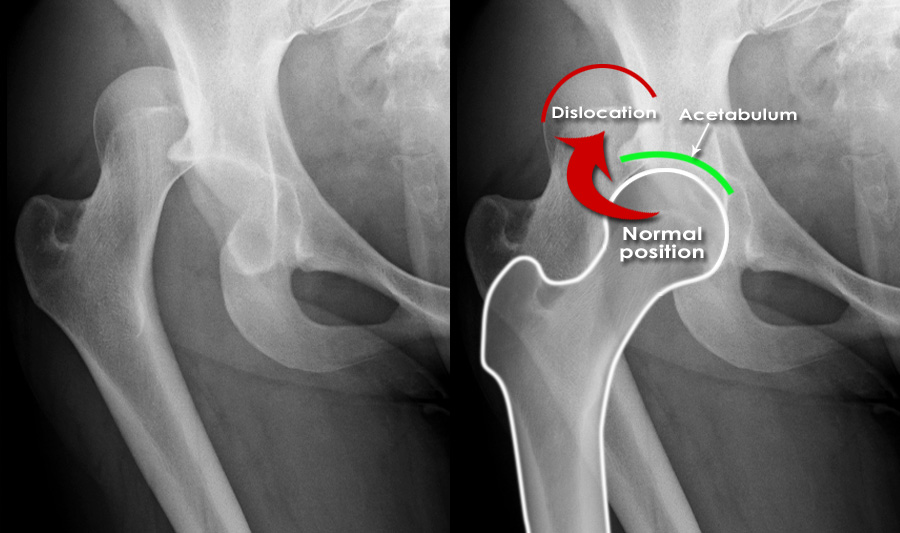
Causes Of Hip Fractures & Dislocations
The causes of hip fractures and dislocations vary depending on the individual’s age, bone health, and type of injury.
Causes of Hip Fractures
- Falls from Standing Height: In older adults with osteoporosis or weakened bones, even a minor fall can cause a hip fracture.
- Traumatic Injury: High-impact trauma, such as a car accident, workplace injury, or sports-related impact, can result in a fracture, particularly in younger people.
- Weakened Bones (Osteoporosis): Weakened bones are more prone to fractures, even with minor force or stress.
- Stress Fractures: Repetitive impact from high-impact sports or physical activities (like long-distance running) may cause small cracks in the hip bone.
Causes of Hip Dislocations
- High-Impact Trauma: Car accidents, falls from significant heights, or sports-related collisions can force the hip out of its socket.
- Post-Surgery Complications: People who have undergone total hip replacement surgery may have an increased risk of dislocation, particularly in the early post-operative period.
- Congenital Hip Dysplasia: People born with hip dysplasia may have an increased risk of hip dislocation due to an abnormal hip socket shape.
Symptoms Of Hip Fractures & Dislocations
Hip fractures and dislocations present distinct symptoms, but both conditions are associated with severe pain and loss of mobility.
Symptoms of a Hip Fracture
- Severe Pain: Pain is usually felt in the groin, outer hip, or thigh, and it worsens with movement or weight-bearing.
- Inability to Bear Weight: You may be unable to stand or walk after a hip fracture.
- Leg Position Changes: The affected leg may appear shortened or rotated outward.
- Swelling or Bruising: Swelling, bruising, and tenderness around the hip and thigh are common.
Symptoms of a Hip Dislocation
- Severe Pain: Dislocation causes intense hip pain, often felt in the groin, buttocks, or leg.
- Limited Mobility: It is often impossible to move the leg due to the misalignment of the femoral head.
- Leg Position Changes: The affected leg may appear shorter, rotated inward or outward, or be visibly out of alignment.
- Nerve Damage Symptoms: Numbness, tingling, or weakness in the leg may occur if the dislocation compresses the nerves near the hip joint.
If you experience any of these symptoms after a fall, injury, or accident, seek urgent medical attention. Prompt treatment can reduce the risk of complications.
Risk Factors For Hip Fractures & Dislocations
Certain factors increase the risk of experiencing a hip fracture or dislocation. Understanding these risks may help you take preventative measures.
Risk Factors for Hip Fractures
- Osteoporosis: Weakened bones from osteoporosis are more susceptible to fractures.
- Advanced Age: As people age, bone density decreases, and the risk of falls increases.
- Gender: Women are more likely to develop osteoporosis, making them more prone to fractures.
- Previous Fractures: If you’ve had a fracture in the past, your risk of future fractures increases.
- Low Body Weight: Lower body weight is linked to reduced bone density, increasing the risk of fractures.
- Use of Certain Medications: Some medications, like corticosteroids, can weaken bones over time.
Risk Factors for Hip Dislocations
- High-Impact Activities: Contact sports (e.g., rugby, football) and high-risk activities (e.g., motorcycling, skiing) increase the chance of dislocation.
- Previous Hip Surgery: People with total hip replacements may have a higher risk of dislocation, particularly in the early stages of recovery.
- Congenital Hip Abnormalities: People with hip dysplasia or other hip deformities may have an increased risk of dislocation.
- Occupational Risks: Jobs that involve working at heights or activities with a higher risk of falls may increase the likelihood of hip dislocations.
Diagnosis Of Hip Fractures & Dislocations
Accurate diagnosis is crucial for selecting the most appropriate treatment plan. Dr Scott Tulloch may use the following methods to diagnose hip fractures or dislocations:
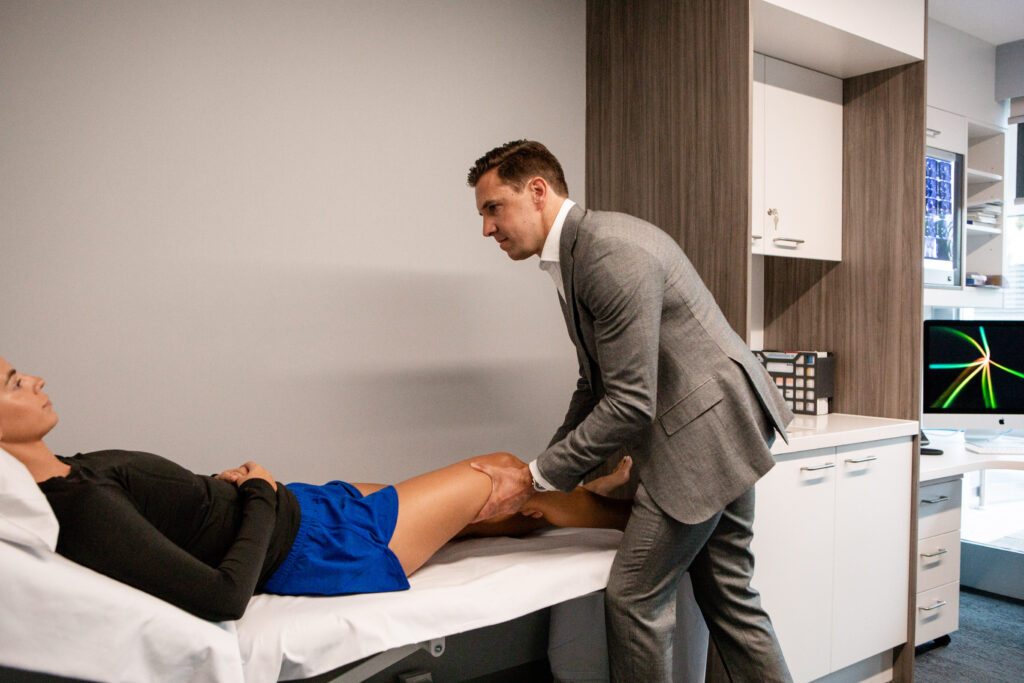
- Physical Examination: Dr Tulloch will review your medical history and examine the affected hip, checking for swelling, deformity, and range of motion.
- X-Rays: X-rays are used to identify fractures or dislocations in the hip joint. They also reveal the type and severity of the fracture.
- CT scan (Computed Tomography): A CT scan may be recommended for more detailed imaging of complex fractures or dislocations.
- MRI (Magnetic Resonance Imaging): An MRI may be used to detect stress fractures or soft tissue damage that may not be visible on an X-ray.
Once the diagnosis is confirmed, Dr. Tulloch will discuss the most suitable treatment options for your condition.
Treatment Options For Hip Fractures & Dislocations
Treatment depends on the type and severity of the injury. Options include both non-surgical and surgical approaches.
Non-Surgical Treatment
- Reduction (for Dislocations): For a dislocated hip, a procedure called “closed reduction” is used to realign the ball back into the socket. This procedure is performed under anaesthesia.
- Rest and Rehabilitation: Minor fractures or dislocations may be treated with rest, pain management, and physiotherapy.
Surgical Treatment
- Hip Fracture Surgery: For fractures, surgery may involve internal fixation (using screws, plates, or nails) or total hip replacement in cases of severe fractures.
- Total Hip Replacement (Arthroplasty): In severe fractures or cases of avascular necrosis, a total hip replacement may be required. This procedure replaces the damaged femoral head and hip socket with prosthetic implants.
- Open Reduction and Internal Fixation (ORIF): This involves surgically realigning and stabilising the fractured bone using metal screws, plates, or rods.
Dr. Tulloch will recommend the most suitable treatment approach, taking into account the severity of your injury, your age, activity level, and overall health.
When Should You Seek Help For Hip Fractures & Dislocations?
If you experience any of the following, seek immediate medical attention:
- Severe hip pain after a fall or accident
- Inability to bear weight on the affected leg
- A visibly shortened or rotated leg
- Numbness, tingling, or loss of movement in the leg
These symptoms may indicate a fracture or dislocation that requires urgent treatment. Prompt medical attention can reduce the risk of complications like nerve damage, joint deformity, or avascular necrosis.
If you would like to learn more about treatment options for hip fractures and dislocations, or if you need immediate care, contact the Victorian Orthopaedic Group to schedule an appointment with Dr. Scott Tulloch.