
Revision Hip Replacement Surgery
Revision Hip Replacement Surgery: Addressing Issues With Previous Hip Replacements
Revision hip replacement surgery is performed when a previously implanted hip joint requires replacement or repair. This procedure may be recommended for individuals experiencing ongoing pain, joint instability, or other issues related to their original hip replacement. Revision surgery can address complications and improve joint function, although it is often more complex than the initial procedure.
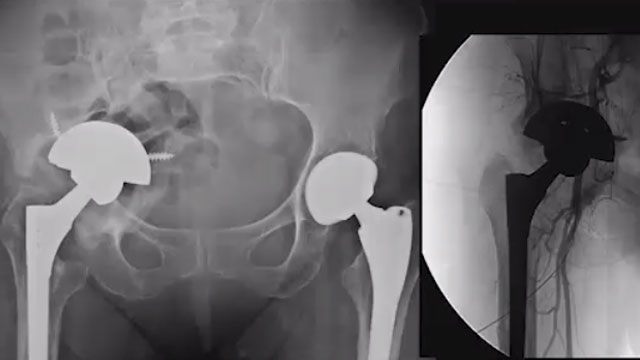
What Is Revision Hip Replacement Surgery?
Revision hip replacement involves removing and replacing some or all components of a previously implanted hip joint. It may address issues such as implant wear, infection, or mechanical failure. This surgery requires careful planning and expertise to achieve optimal outcomes.
When Is Revision Hip Replacement Recommended?
Revision surgery may be considered for the following reasons:
- Implant Wear or Loosening: Over time, hip implants may wear down or become loose, causing pain and instability.
- Infection: An infection around the implant may require its removal and replacement.
- Fractures: A fracture near the hip implant may necessitate revision surgery.
- Dislocation: Recurrent joint dislocations may indicate a need for revision.
- Mechanical Issues: Problems such as implant misalignment or failure can impact function and comfort.
Preparation For Revision Surgery
- Comprehensive Assessment: Dr Scott Tulloch will review your medical history, perform imaging tests, and discuss the goals of revision surgery.
- Pre-Surgery Planning: You may need additional tests to evaluate the condition of the implant and surrounding bone. Preparation may also involve optimising your overall health.
- Lifestyle Modifications: Quitting smoking, losing weight, and improving fitness can enhance recovery and reduce complications.
What Happens During The Surgery?
- Surgical Complexity: Revision surgery is often more complex than the initial hip replacement due to factors like scar tissue, bone loss, or infection.
- Procedure Steps: The surgeon removes the old implant, addresses any damage or infection, and places the new implant. Bone grafts may be used to repair weakened areas.
- Duration: Revision surgery may take 2-4 hours, depending on the complexity of the case.
Understanding The Risks
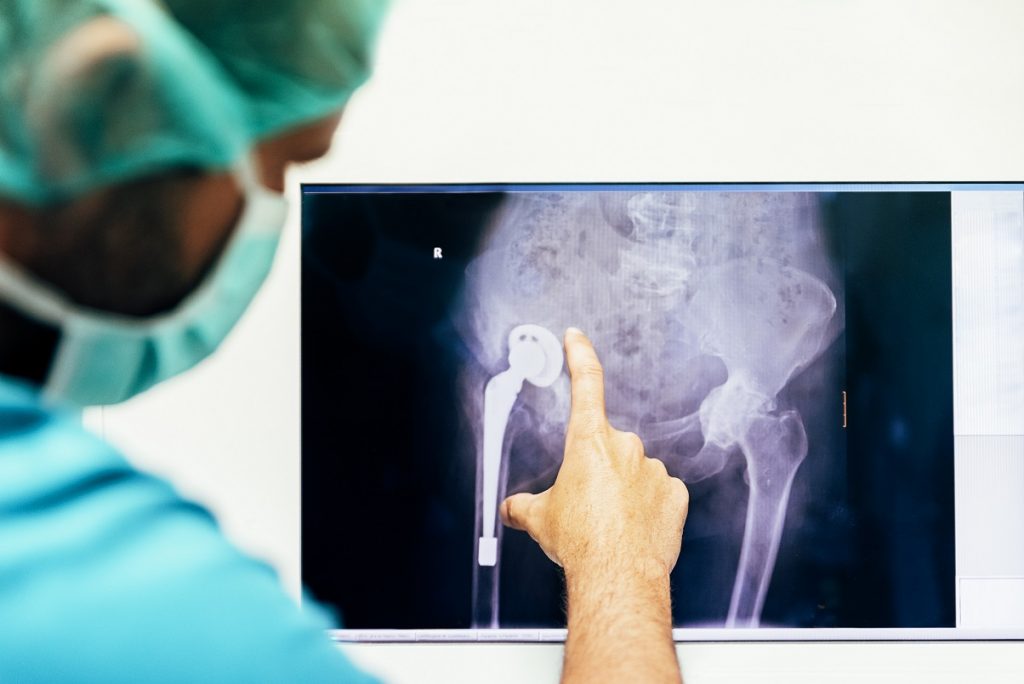
Revision surgery carries potential risks, including:
- Higher risk of infection compared to primary hip replacement
- Blood clots or bleeding
- Bone fractures during surgery
- Implant instability or loosening over time
- Rare complications such as nerve damage or joint dislocation
What To Expect After Surgery
- Hospital Stay: Patients typically stay in hospital for a few days for monitoring and recovery.
- Pain Management: Medications and physical therapy are used to manage discomfort and promote healing.
- Assistive Devices: Walking aids may be needed during the initial recovery period.
Rehabilitation And Recovery
- Recovery Timeline: Recovery may take longer than with primary hip replacement, often 3-12 months.
- Physiotherapy: Tailored physiotherapy programs help restore strength and mobility.
- Restrictions: Adherence to activity guidelines is crucial to ensure proper healing.
Long-term Outcomes
Revision hip replacement can provide significant pain relief and improved joint function for many patients. However, the results may vary depending on factors such as overall health and the reason for revision. Regular follow-up care with Dr Scott Tulloch is essential to monitor progress and ensure long-term success.
If you would like to learn more or discuss your options for hip replacement procedures, book an appointment with Dr Scott Tulloch at the Victorian Orthopaedic Group.
LEARN ABOUT
- ANTERIOR MINIMALLY INVASIVE TOTAL HIP REPLACEMENT
- HIP REPLACEMENT SURGERY FAQS