
Revision Knee Replacement Surgery
Knee Replacement Procedures: Revision Knee Replacement Surgery
Revision knee replacement surgery is a specialised procedure performed to address issues with a previous knee replacement. Over time, some knee replacements may develop problems such as implant wear, loosening, infection, or mechanical failure. This surgery involves removing and replacing part or all of the original implant to restore knee function, reduce pain, and improve mobility. Advanced systems, such as GMK Revision and GMK Hinge with MyKnee R, allow for a personalised approach to address complex knee joint issues.
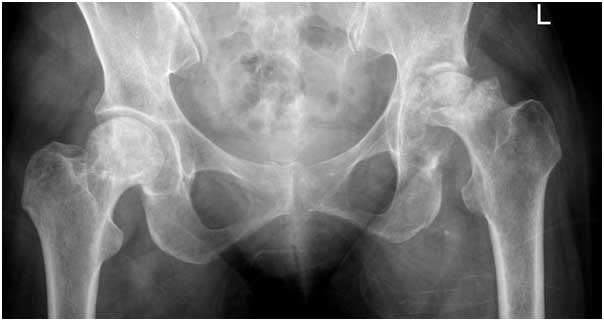
What Is Revision Knee Replacement Surgery?
Revision knee replacement surgery involves removing the existing knee implant and replacing it with a new one. This procedure is typically more complex than the original knee replacement due to factors such as scar tissue, bone loss, or infection. Advanced technologies, such as GMK Revision and GMK Hinge systems, are used to provide customised solutions for patients, allowing for improved alignment, stability, and long-term outcomes.
When Is Revision Knee Replacement Recommended?
This procedure may be recommended for patients who experience:
- Implant Wear or Loosening: Over time, implants may wear down or become loose, leading to pain and instability.
- Infection: A deep infection around the implant may require its removal and replacement.
- Fractures: A fracture near the knee implant may necessitate revision surgery.
- Mechanical Issues: Problems such as implant misalignment, failure, or instability.
- Persistent Pain: Ongoing discomfort that does not improve with non-surgical treatments.
Preparation For Revision Knee Replacement Surgery
Proper preparation can help ensure the success of revision surgery:
- Pre-Surgical Assessment: Dr Scott Tulloch will review your medical history, examine the knee, and perform imaging studies such as X-rays, CT scans, or MRIs to evaluate the condition of the implant and surrounding bone.
- Pre-Surgery Instructions: You may be advised to stop certain medications, follow fasting guidelines, and prepare for post-surgical care, including arranging assistive devices like crutches or a walker.
- Lifestyle Adjustments: Improving overall health by quitting smoking, managing weight, or participating in pre-surgery exercises may enhance recovery outcomes.
What Happens During The Surgery?
- Surgical Complexity: Revision surgery is more complex than primary knee replacement due to factors such as scar tissue, bone loss, or infection.
- Anaesthesia: General anaesthesia or spinal anaesthesia is typically used.
- Procedure Steps:
- The surgeon removes the old implant and addresses any underlying issues, such as infection or bone loss.
- Advanced implants, such as GMK Revision or GMK Hinge systems, are used to provide stability and alignment tailored to the patient’s anatomy.
- Bone grafts or augmentations may be required to restore bone loss or reinforce the joint.
- Duration: The surgery generally takes 2-4 hours, depending on its complexity.
Understanding The Risks
As with any surgery, there are potential risks associated with revision knee replacement. Dr Scott Tulloch will discuss these with you and outline measures taken to minimise them. Risks may include:
- Infection at the surgical site
- Blood clots in the legs or lungs
- Bone fractures during surgery
- Implant loosening or wear over time
- Rare complications, such as nerve or blood vessel damage
What To Expect After Surgery
- Hospital Stay: Most patients stay in hospital for 3-5 days to monitor recovery and manage pain.
- Pain Management: Medications, cold therapy, and elevation are used to reduce pain and swelling.
- Assistive Devices: Crutches or a walker may be needed during the initial recovery period to support mobility.
- Discharge Instructions: You will receive guidance on caring for the surgical site, managing pain, and recognising signs of complications.
Rehabilitation And Recovery
- Recovery Timeline: Recovery may take longer than a primary knee replacement, often 6-12 months, depending on the complexity of the surgery and the patient’s overall health.
- Physiotherapy: A structured physiotherapy program is essential to restore strength, flexibility, and knee function.
- Activity Restrictions: High-impact activities should be avoided during recovery to protect the new implant and promote healing.
Long-term Outcomes
Revision knee replacement surgery may help alleviate pain and improve knee function for many patients. Advanced systems, such as GMK Revision and GMK Hinge with MyKnee R, provide a personalised approach to address complex cases, potentially improving stability and mobility.
The longevity of the new implant will depend on factors such as activity levels, overall health, and adherence to post-surgical care and rehabilitation programs. Regular follow-up appointments with Dr Scott Tulloch are essential to monitor the condition of the knee and ensure optimal outcomes.
Maintaining an active, healthy lifestyle, including regular low-impact exercise, can help preserve the benefits of the procedure and enhance long-term knee function.
If you would like to learn more about revision knee replacement surgery or discuss your options, book an appointment with Dr Scott Tulloch at the Victorian Orthopaedic Group.