
Ac Joint
Traumatic Orthopaedic Injuries - Upper Limb Fractures: Ac Joint
The acromioclavicular (AC) joint is located at the top of the shoulder where the clavicle (collarbone) meets the acromion, part of the scapula (shoulder blade). AC joint fractures or injuries often result from trauma, such as a fall or direct blow to the shoulder, and can cause pain, deformity, and difficulty with shoulder movement. These injuries can range from mild to severe, involving ligament sprains or fractures. Appropriate treatment aims to reduce pain, restore alignment, and regain shoulder function.
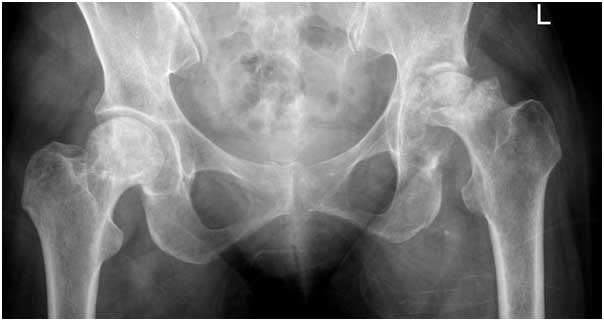
What Is An Ac Joint Fracture Or Injury?
An AC joint injury occurs when the joint between the collarbone and the shoulder blade is damaged. This can involve:
- Fractures: Breaks in the clavicle or acromion.
- Sprains: Stretching or tearing of the ligaments that stabilise the AC joint.
- Dislocations: Separation of the joint due to ligament damage.
AC joint injuries are classified into different grades based on severity, ranging from mild ligament sprains (Grade I) to complete ligament tears with significant joint displacement (Grade III or higher).
Causes Of Ac Joint Fractures Or Injuries
These injuries are typically caused by trauma to the shoulder. Common causes include:
- Falls: Falling directly onto the shoulder, such as during a sports activity or from a height.
- Sports Injuries: High-impact sports or activities involving collisions, such as rugby, football, or cycling.
- Direct Blows: A forceful impact to the top of the shoulder, often from a heavy object or collision.
Symptoms Of Ac Joint Fractures Or Injuries
Symptoms of an AC joint injury or fracture can vary depending on the severity but may include:
- Pain at the top of the shoulder, especially with movement.
- Swelling, bruising, or tenderness around the joint.
- Deformity or a visible bump at the top of the shoulder.
- Difficulty lifting the arm or performing overhead activities.
- Weakness in the shoulder or arm.
- A popping or grinding sensation during shoulder movement.
If you experience these symptoms following trauma, it is essential to seek medical attention for a proper diagnosis.
Risk Factors For Ac Joint Fractures Or Injuries
Certain factors may increase the likelihood of an AC joint injury, including:
- Sports Participation: High-impact sports or activities with a risk of falling or collisions.
- Age: Younger, active individuals may be more prone to AC joint injuries during physical activities.
- Previous Shoulder Injuries: A history of shoulder injuries may increase susceptibility.
- Occupational Risks: Jobs involving repetitive overhead movements or heavy lifting.
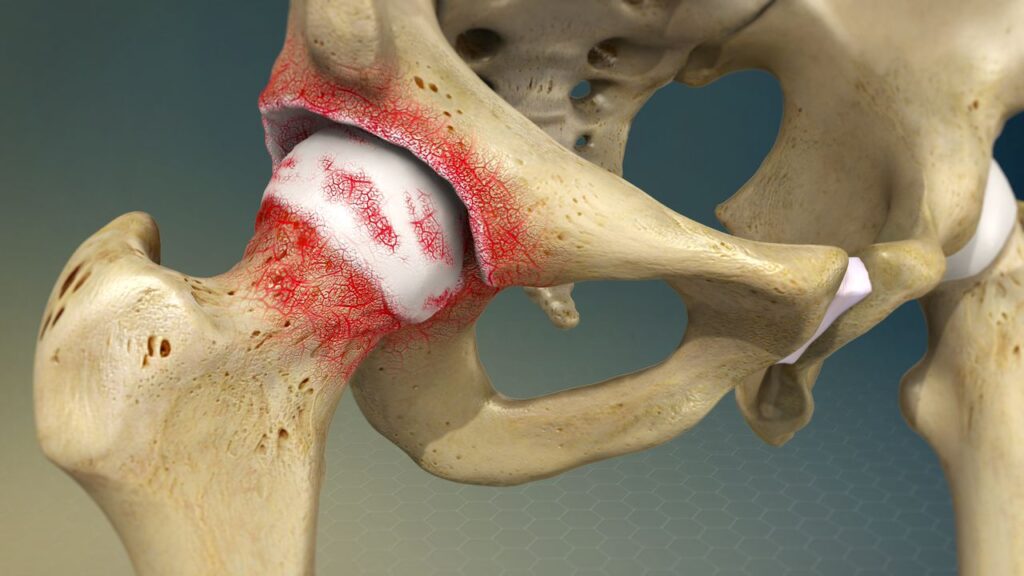
Treatment Options For Ac Joint Fractures Or Injuries
Treatment for AC joint injuries depends on the severity of the injury and the patient’s activity level. Options include:
Non-Surgical Treatments
- Rest and Immobilisation: Using a sling or shoulder immobiliser to support the joint while it heals.
- Pain Management: Medications to relieve pain and inflammation.
- Ice Therapy: Applying ice packs to reduce swelling and discomfort.
- Physiotherapy: Rehabilitation exercises to strengthen the shoulder muscles, improve stability, and restore range of motion.
Surgical Treatments
Surgery may be necessary for severe injuries involving significant joint displacement or fractures:
- Open Reduction and Internal Fixation (ORIF): Realigning the bones and securing them with screws or plates.
- Ligament Reconstruction: Repairing or reconstructing the torn ligaments to stabilise the joint.
- Distal Clavicle Excision: In cases of chronic pain, a portion of the clavicle may be removed to reduce discomfort and improve function.
Dr Scott Tulloch will assess the injury and recommend the most appropriate treatment approach based on the type and severity of the injury, as well as the patient’s lifestyle and long-term goals.
When Should You Seek Help For An Ac Joint Fracture Or Injury?
You should consider seeking medical advice if:
- You experience significant pain, swelling, or deformity in the shoulder following trauma.
- You are unable to move or use the affected arm or shoulder.
- Pain persists despite rest and over-the-counter pain relief.
- You notice weakness, instability, or clicking in the shoulder during movement.
Early diagnosis and treatment are crucial to achieving the best possible outcome and minimising the risk of chronic pain or instability.
If you would like to learn more about AC joint fractures or injuries or discuss your treatment options, book an appointment with Dr Scott Tulloch at the Victorian Orthopaedic Group.
