
Anterior Minimally Invasive (Amis) Total Hip Replacement Surgery
AMIS: An Innovative Approach to Hip Joint Repair and Restoration
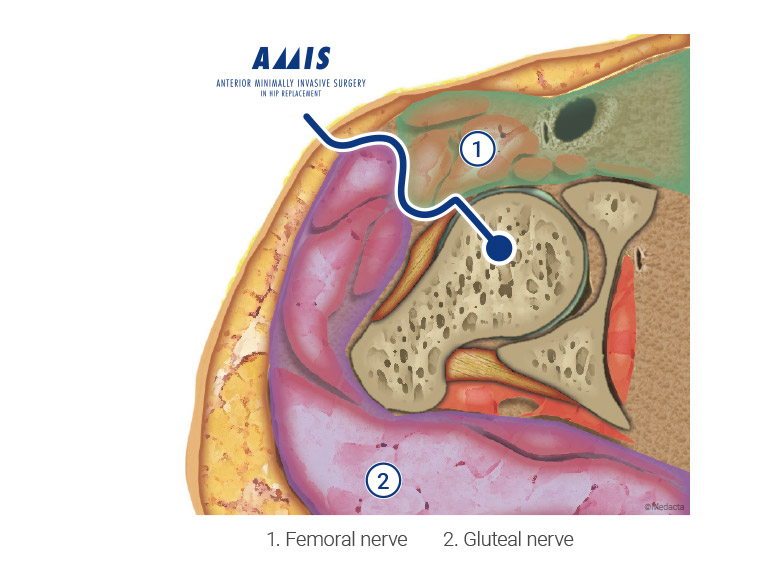
Anterior Minimally Invasive Surgery (AMIS) for total hip replacement is a modern surgical technique designed to replace damaged hip joints while minimising disruption to surrounding muscles and tissues. This approach may result in reduced pain and faster recovery times compared to traditional methods.
Causes Of Hip Damage Requiring Replacement
Hip replacement is often necessary when the hip joint has been significantly damaged by:
- Osteoarthritis: Wear and tear of cartilage due to ageing.
- Rheumatoid Arthritis: Inflammation caused by an autoimmune condition.
- Trauma: Injuries such as fractures or dislocations.
- Avascular Necrosis: Bone damage due to a lack of blood supply.
- Hip Dysplasia: Structural abnormalities that accelerate joint deterioration.
Preparation For Amis Hip Replacement
Pre-surgical Consultations and Imaging:
Patients will undergo a thorough health evaluation, including imaging tests (X-rays, MRIs, or CT scans), to assess the severity of joint damage and plan the procedure.
Instructions for Surgery Preparation:
- Fasting is typically required for 6–12 hours before surgery.
- Medications, especially blood thinners, may need to be adjusted.
- A review of current medications and health conditions is conducted.
Lifestyle Changes to Improve Outcomes:
- Weight Management: Maintaining a healthy weight can reduce strain on the new joint.
- Smoking Cessation: Stopping smoking helps improve healing and reduces the risk of complications.
- Pre-operative Exercise: Strengthening the muscles around the hip may assist with recovery.
Symptoms That May Lead To A Hip Replacement
Patients may consider hip replacement if experiencing:
- Persistent hip or groin pain, particularly during movement.
- Reduced range of motion or stiffness in the hip.
- Pain that radiates down to the thigh or knee.
- Difficulty standing, walking, or climbing stairs.
- A “grating” or “clicking” sound in the joint.
What Happens During Amis Hip Replacement Surgery?
Surgical Technique:
- A small incision is made at the front of the hip.
- Specialised instruments are used to replace the damaged joint with a prosthetic implant made of durable materials such as ceramic, metal, or plastic.
- The anterior approach avoids cutting major muscles, preserving strength and function.
Type of Anaesthesia:
- Surgery is performed under general anaesthesia or spinal anaesthesia, depending on the patient’s health and preferences.
Duration of Surgery:
- The procedure typically lasts 1–2 hours.

Risks Of Amis Hip Replacement
While AMIS is considered a safe and effective procedure, potential risks include:
Common Risks:
- Infection at the surgical site.
- Blood clots in the legs or lungs.
- Temporary swelling or bruising around the incision.
Rare but Serious Complications:
- Nerve or blood vessel injury.
- Fractures around the implant.
- Implant loosening or wear over time.
Steps to Minimise Risks:
- Prophylactic antibiotics are used to prevent infection.
- Blood-thinning medications reduce the risk of clots.
- Detailed surgical planning and advanced techniques are employed to ensure precision.
What To Expect After Surgery
Immediate Post-operative Care:
- Patients may begin walking with assistance within 24 hours.
- Pain is managed with prescribed medications.
Use of Assistive Devices:
- Crutches or a walker may be used temporarily for support.
Discharge Instructions:
- Most patients are discharged within 1–3 days.
- Instructions on wound care, activity restrictions, and follow-up visits will be provided.
Rehabilitation And Recovery
Timelines for Recovery Milestones:
- Patients may resume light activities within 4–6 weeks.
- Most individuals return to normal routines within 3–6 months.
Role of Physiotherapy:
- A personalised physiotherapy program helps strengthen muscles, restore mobility, and prevent stiffness.
Restrictions During Recovery:
- Patients should avoid high-impact activities and heavy lifting for several weeks.
- Adhering to weight-bearing and movement restrictions is essential.
Long-term Outcomes
Expected Improvements:
- Significant pain relief and enhanced mobility are often achieved.
- Improved quality of life, allowing for resumption of daily activities.
Maintenance of Results:
- Staying active, maintaining a healthy weight, and attending follow-up appointments are essential for long-term success.
Lifespan of Implants:
- Modern hip implants are designed to last 15–20 years or longer, depending on factors such as activity level and overall health.
If hip pain and mobility issues are affecting your quality of life, AMIS total hip replacement may be an effective option. To learn more, schedule an appointment with Dr Scott Tulloch.
LEARN ABOUT
- ANTERIOR MINIMALLY INVASIVE TOTAL HIP REPLACEMENT
- REVISION HIP REPLACEMENT SURGERY
- HIP REPLACEMENT SURGERY FAQS
