
Hip Fractures
Traumatic Orthopaedic Injuries - Lower Limb Fractures: Hip Fractures
Hip fractures are serious injuries involving a break in the upper portion of the femur (thighbone) near the hip joint. These fractures most commonly occur in older adults due to falls and are often associated with weakened bones from conditions such as osteoporosis. In younger individuals, hip fractures are usually the result of high-impact trauma, such as motor vehicle accidents or sports injuries. Hip fractures can significantly affect mobility and quality of life, requiring prompt medical attention to reduce pain and restore function.
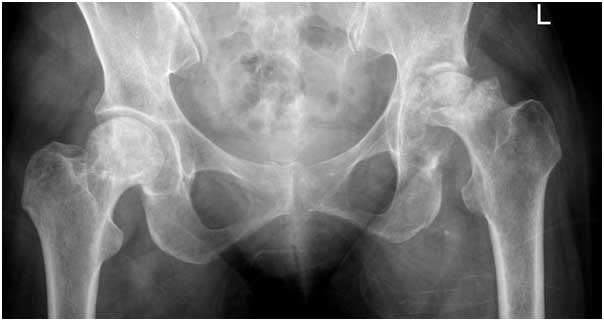
What Is A Hip Fracture?
A hip fracture is a break in the femur near the hip joint and is classified based on the location of the break:
- Femoral Neck Fractures: Occur just below the ball of the ball-and-socket hip joint. These fractures may disrupt blood flow to the femoral head, increasing the risk of complications.
- Intertrochanteric Fractures: Occur between the greater and lesser trochanters (bony prominences below the femoral neck). These fractures typically have a better blood supply and may heal more easily.
- Subtrochanteric Fractures: Occur below the lesser trochanter, involving the shaft of the femur.
The severity and location of the fracture influence treatment and recovery.
Causes Of Hip Fractures
Hip fractures are usually caused by trauma or underlying conditions that weaken the bone. Common causes include:
- Falls: Particularly in older adults with reduced balance and bone density.
- Motor Vehicle Accidents: High-impact collisions can result in severe hip fractures.
- Sports Injuries: High-intensity sports or activities involving sudden impacts or falls.
- Osteoporosis: A condition that weakens bones, making them more susceptible to fractures.
- Pathological Fractures: Fractures caused by underlying conditions such as cancer or metabolic bone disorders.
Symptoms Of Hip Fractures
Symptoms of a hip fracture may vary depending on the severity and location of the break but commonly include:
- Severe pain in the hip or groin area, especially when moving or bearing weight.
- Inability to stand or walk.
- Swelling, bruising, or tenderness around the hip.
- A visible deformity, such as the leg appearing shorter or rotated outward.
- Stiffness or loss of motion in the hip joint.
- Weakness in the affected leg.
If you experience these symptoms after a fall or injury, seek immediate medical attention.
Risk Factors For Hip Fractures
Several factors may increase the likelihood of a hip fracture, including:
- Age: Older adults are more prone to hip fractures due to reduced bone density and balance issues.
- Osteoporosis: Weak or brittle bones significantly increase the risk of fractures.
- Gender: Women are more likely to sustain hip fractures, often due to post-menopausal bone loss.
- Previous Fractures: A history of fractures may increase susceptibility.
- Chronic Conditions: Medical conditions such as arthritis, diabetes, or neurological disorders that affect balance and mobility.
- Lifestyle Factors: Smoking, excessive alcohol consumption, or a sedentary lifestyle can contribute to reduced bone strength.
Treatment Options For Hip Fractures
Treatment for hip fractures aims to reduce pain, restore mobility, and prevent complications. The approach depends on the type and severity of the fracture, as well as the patient’s overall health and activity level.
Non-Surgical Treatments
- Pain Management: Medications to alleviate pain and reduce inflammation.
- Physical Therapy: Early mobilisation and physiotherapy may help strengthen muscles and improve joint function in certain cases.
- Limited Weight-Bearing: Using assistive devices such as crutches or walkers to reduce stress on the hip.
Surgical Treatments
Surgery is often recommended for most hip fractures to stabilise the bone and restore function:
- Internal Fixation: Using screws, plates, or rods to stabilise the fracture and allow it to heal.
- Hemiarthroplasty: Replacing the femoral head with a prosthetic component, often used for femoral neck fractures.
- Total Hip Replacement: Replacing both the femoral head and the acetabulum (hip socket) in cases of severe joint damage or arthritis.
Dr Scott Tulloch will assess your condition and recommend the most appropriate treatment plan based on your individual needs and goals.
When Should You Seek Help For A Hip Fracture?
You should seek immediate medical attention if:
- You experience severe hip or groin pain following a fall or trauma.
- You are unable to stand, walk, or bear weight on the affected leg.
- You notice visible deformity, such as shortening or rotation of the leg.
- Pain or mobility issues persist despite rest and over-the-counter pain relief.
Early diagnosis and treatment are critical to achieving the best possible outcome, restoring mobility, and minimising the risk of complications such as blood clots or infections.
If you would like to learn more about hip fractures or discuss your treatment options, book an appointment with Dr Scott Tulloch at the Victorian Orthopaedic Group.
