
Knee Malalignment (Bowlegs Or Knock Knees)
Knee Malalignment (Bowlegs or Knock Knees): Structural Variations That May Affect Leg Alignment and Function
Knee malalignment refers to conditions where the alignment of the knees deviates from the normal straight line of the leg. The two most common forms of knee malalignment are bowlegs (genu varum) and knock knees (genu valgum). These conditions can cause uneven weight distribution across the knee joint, leading to pain, instability, and, in some cases, early joint degeneration or arthritis. Understanding knee malalignment and its treatment options may help individuals manage symptoms, improve function, and prevent further complications.

What Is Knee Malalignment?
Knee malalignment occurs when the knee joint does not line up properly with the hip and ankle, resulting in uneven stress on different parts of the joint.
- Bowlegs (Genu Varum): The knees curve outward, creating a gap between the knees when standing with feet together.
- Knock Knees (Genu Valgum): The knees angle inward and touch, while the ankles remain apart.
Mild cases of malalignment may not cause significant symptoms, but more severe cases can affect mobility and increase the risk of joint problems over time.
Causes Of Knee Malalignment
The causes of knee malalignment vary depending on the condition and may include:
- Congenital Factors: Structural abnormalities present from birth.
- Growth Issues: Uneven growth of the bones during childhood or adolescence.
- Injury: Fractures or trauma to the knee or leg that disrupt normal alignment.
- Arthritis: Wear and tear of the knee joint that leads to changes in alignment.
- Bone Disorders: Conditions such as rickets or metabolic bone diseases that affect bone strength and growth.
Symptoms Of Knee Malalignment
Symptoms can vary depending on the severity of the condition and its impact on the knee joint. Common symptoms may include:
- Knee pain or discomfort, particularly on the inner or outer side of the joint.
- Uneven wear on the knee joint, which may lead to arthritis over time.
- Instability or a feeling that the knee may “give way.”
- Difficulty walking or performing physical activities.
- Visible deformity, such as outward or inward curving of the knees.
If left untreated, severe knee malalignment can lead to chronic pain, reduced mobility, and joint degeneration.
Risk Factors For Knee Malalignment
Several factors may increase the likelihood of developing knee malalignment, including:
- Age: While bowlegs and knock knees are common in young children, these conditions usually resolve with growth. Persistent malalignment into adulthood may require further evaluation.
- Obesity: Excess weight can place additional stress on the knee joint, worsening malalignment.
- Previous Injuries: Trauma to the knee or leg that affects bone alignment.
- Genetics: A family history of malalignment or joint disorders.
- Underlying Medical Conditions: Conditions affecting bone strength, such as arthritis or rickets.
Treatment Options For Knee Malalignment
Treatment for knee malalignment depends on the severity of the condition, the presence of symptoms, and the impact on joint function. Options include:
Non-Surgical Treatments
- Observation: In children, mild malalignment often resolves with growth and may not require treatment.
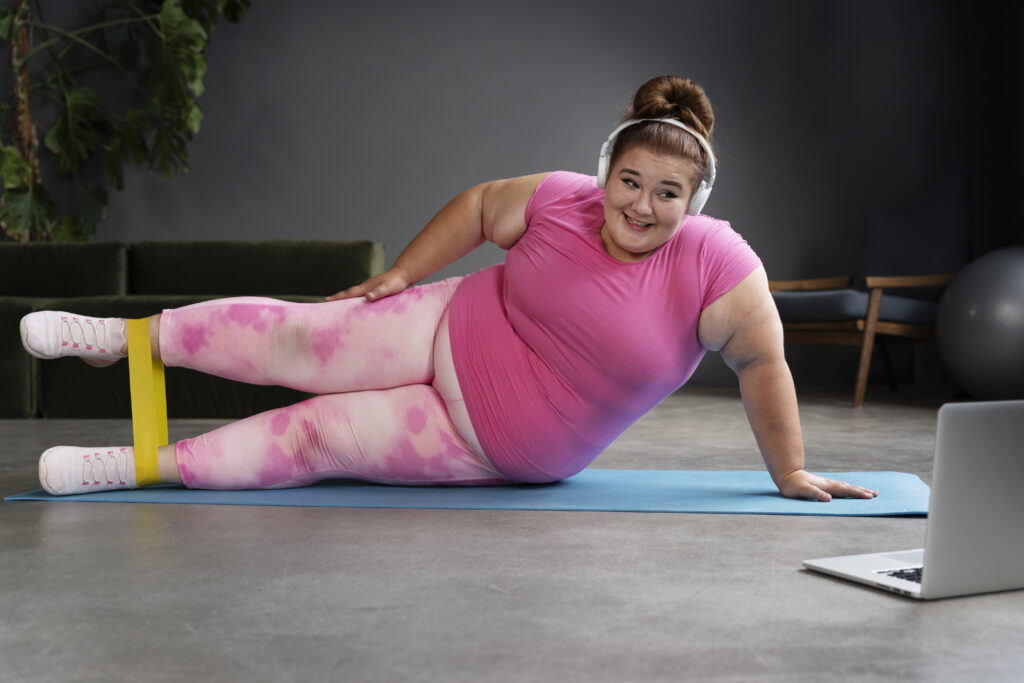
- Physiotherapy: Exercises to strengthen the muscles around the knee and improve joint stability.
- Orthotics or Bracing: Custom orthotics or braces may help improve alignment and reduce stress on the joint.
- Weight Management: Maintaining a healthy weight to reduce stress on the knees.
Surgical Treatments
Surgery may be recommended for severe or symptomatic malalignment, particularly if it leads to pain or joint degeneration:
- Osteotomy: A knee realignment procedure that reshapes the bone to improve alignment and redistribute weight across the joint.
- Joint Replacement Surgery: In cases of advanced arthritis or joint damage, partial or total knee replacement may be necessary.
Dr Scott Tulloch will assess your condition and recommend the most appropriate treatment based on your individual needs and goals.
When Should You Seek Help For Knee Malalignment?
You should consider seeking medical advice if:
- You experience persistent knee pain or discomfort that affects daily activities.
- You notice worsening deformity or difficulty walking.
- Symptoms persist despite physiotherapy, bracing, or other non-surgical treatments.
- You are concerned about the long-term impact of malalignment on your joint health.
Early diagnosis and treatment may help prevent further complications and improve long-term outcomes.
If you would like to learn more about knee malalignment or discuss your treatment options, book an appointment with Dr Scott Tulloch at the Victorian Orthopaedic Group.
