
Lower Limb Trauma Surgery
Orthopaedic Trauma Surgery: Lower Limb Trauma Surgery
Lower limb trauma surgery involves the treatment of injuries to the bones, joints, muscles, tendons, and ligaments of the hip, thigh, knee, leg, ankle, and foot. These injuries are often the result of accidents, falls, or sports activities and can significantly impact mobility and quality of life. Lower limb trauma surgery aims to restore function, reduce pain, and support recovery, allowing patients to return to daily activities and work.
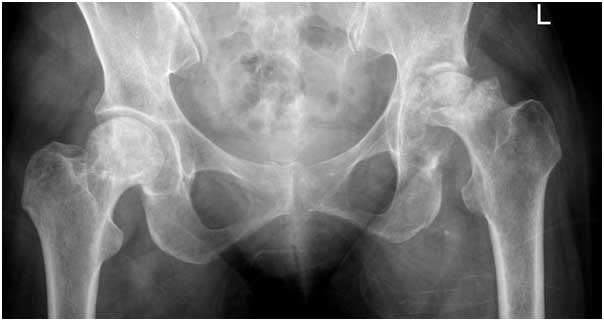
What Is Lower Limb Trauma Surgery?
Lower limb trauma surgery encompasses a range of procedures to address injuries to the hip, thigh, knee, shin, ankle, and foot. Common injuries treated include:
- Fractures: Breaks in bones such as the femur, tibia, fibula, or ankle.
- Dislocations: Misalignment of joints, such as the hip, knee, or ankle.
- Tendon and Ligament Tears: Injuries to soft tissues, such as Achilles tendon ruptures or ACL tears.
- Soft Tissue Damage: Severe bruising, lacerations, or nerve injuries.
The goal of surgery is to repair or reconstruct damaged structures, restore alignment, and improve mobility.
Causes Of Lower Limb Trauma
Lower limb injuries can occur from various mechanisms, including:
- Falls: Falling onto or twisting the lower limb can result in fractures, sprains, or dislocations.
- Motor Vehicle Accidents: High-impact injuries can cause complex fractures or joint damage.
- Sports Injuries: Activities involving sudden changes in direction, jumping, or impact can lead to soft tissue or bone injuries.
- Workplace Accidents: Injuries from heavy lifting or machinery.
- Direct Blows: Trauma from contact sports or accidental impacts.
Symptoms Of Lower Limb Injuries
Symptoms of lower limb trauma vary depending on the severity and type of injury but may include:
- Severe pain in the affected area, especially during movement.
- Swelling, bruising, or tenderness.
- Deformity or misalignment of the limb.
- Inability to bear weight or walk.
- Weakness, numbness, or tingling, indicating possible nerve involvement.
- Restricted range of motion in the joint.
If you experience any of these symptoms, it is essential to seek medical attention for proper assessment and treatment.
Risk Factors For Lower Limb Trauma
Several factors may increase the risk of sustaining lower limb injuries, including:
- Participation in High-Impact Sports: Activities such as rugby, football, or skiing.
- Occupational Hazards: Jobs involving heavy lifting, repetitive motions, or working at heights.
- Age: Older adults may have a higher risk of fractures due to reduced bone density, while younger individuals may sustain injuries from sports.
- Pre-Existing Conditions: Weakness or instability from arthritis or previous injuries.
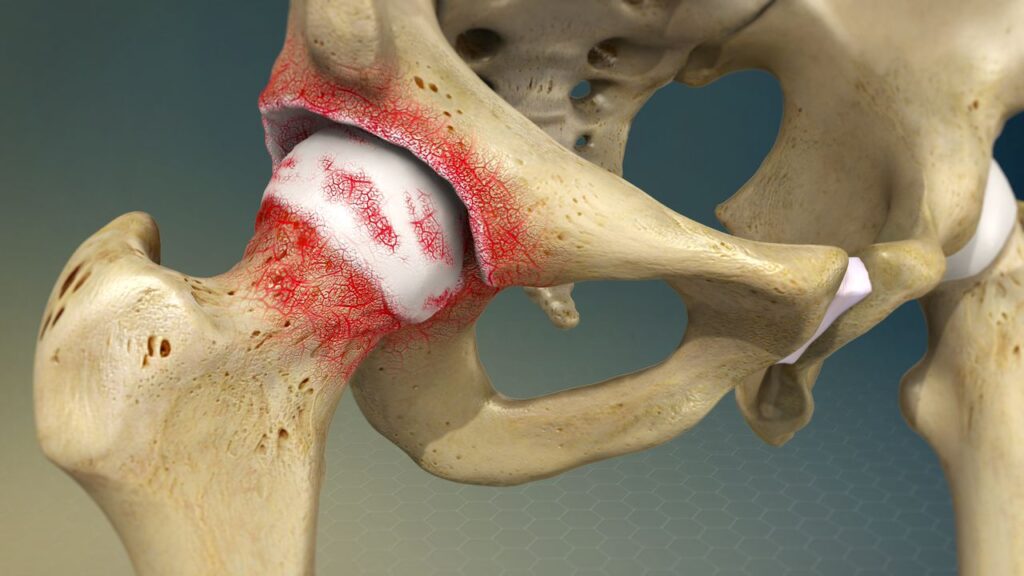
Treatment Options For Lower Limb Trauma
Treatment for lower limb trauma depends on the type and severity of the injury. Options include:
Non-Surgical Treatments
- Immobilisation: Splints, casts, or braces to protect the injury and support healing.
- Pain Management: Medications or topical treatments to reduce pain and inflammation.
- Physiotherapy: Rehabilitation exercises to restore strength, flexibility, and range of motion.
- Rest and Activity Modification: Avoiding activities that exacerbate symptoms during recovery.
Surgical Treatments
Surgery may be necessary for complex or severe injuries. Procedures include:
- Fracture Fixation: Using plates, screws, rods, or wires to stabilise broken bones.
- Joint Reconstruction or Replacement: Addressing severe joint damage, such as hip or knee replacements.
- Tendon or Ligament Repair: Reattaching or reconstructing damaged soft tissues.
- Debridement: Removing damaged or infected tissue to promote healing.
- Arthroscopy: Minimally invasive surgery for joint or soft tissue injuries.
Dr Scott Tulloch will assess the injury and recommend a personalised treatment plan based on your condition, lifestyle, and recovery goals.
When Should You Seek Help For Lower Limb Injuries?
You should seek medical attention if:
- Pain, swelling, or deformity persists after an injury.
- You are unable to walk or bear weight on the affected limb.
- Numbness, tingling, or weakness occurs in the injured area.
- Symptoms worsen or do not improve despite rest and home care.
Early diagnosis and treatment are critical to ensuring proper healing, minimising complications, and restoring function.
If you would like to learn more about lower limb trauma surgery or discuss your treatment options, book an appointment with Dr Scott Tulloch at the Victorian Orthopaedic Group.
