
Osgood-schlatter Disease
Osgood-Schlatter Disease: A Growth-Related Condition That May Cause Knee Pain in Adolescents
Osgood-Schlatter disease is a common knee condition that affects children and adolescents, particularly those involved in sports or physical activities. It occurs due to irritation and inflammation of the growth plate at the tibial tuberosity, a bony prominence just below the kneecap where the patellar tendon attaches. This condition typically develops during periods of rapid growth and is more common in active individuals. While Osgood-Schlatter disease can cause discomfort and swelling, it is usually self-limiting and resolves once growth is complete.
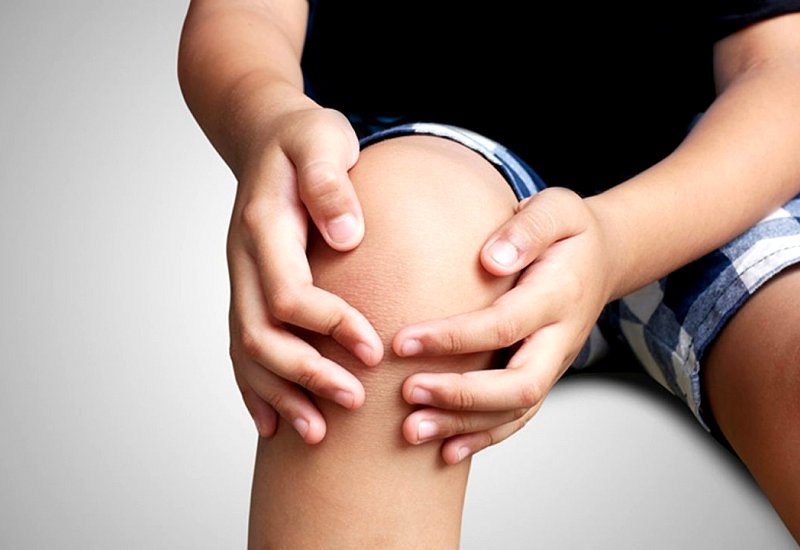
What Is Osgood-schlatter Disease?
Osgood-Schlatter disease is an overuse condition caused by repetitive stress on the tibial growth plate. The repeated pulling of the patellar tendon on the tibial tuberosity can lead to inflammation, pain, and the formation of a small bony lump in the affected area. This condition commonly affects children and adolescents during growth spurts, as the bones, muscles, and tendons grow at different rates, making the tibial growth plate more susceptible to stress.
Causes Of Osgood-schlatter Disease
Osgood-Schlatter disease develops due to repetitive strain and stress on the patellar tendon and tibial tuberosity during activities that involve:
- Running, jumping, or sprinting.
- Frequent kneeling or squatting.
- Sudden changes in direction or high-impact sports like football, basketball, or gymnastics.
These activities can cause microtrauma to the tibial growth plate, leading to inflammation and pain.
Symptoms Of Osgood-schlatter Disease
Symptoms of Osgood-Schlatter disease can vary in severity and may include:
- Pain and tenderness just below the kneecap at the tibial tuberosity.
- Swelling or a noticeable bony lump in the affected area.
- Discomfort that worsens during physical activity and improves with rest.
- Stiffness in the knee joint, particularly after exercise.
- Difficulty kneeling or squatting due to pain.
- Symptoms typically affect one knee but may occur in both knees in some cases.
Risk Factors For Osgood-schlatter Disease
Several factors may increase the risk of developing Osgood-Schlatter disease, including:
- Age: Most commonly affects children and adolescents between 10 and 15 years of age.
- Gender: Boys are slightly more likely to develop the condition, although it is becoming more common in girls due to increased sports participation.
- Physical Activity: High-impact sports or activities involving running, jumping, or sudden directional changes.
- Growth Spurts: Periods of rapid growth make the tibial growth plate more vulnerable to stress.

Treatment Options For Osgood-schlatter Disease
Treatment for Osgood-Schlatter disease focuses on relieving symptoms and reducing stress on the affected area. The condition typically resolves on its own once the growth plates close, but management may include:
Non-Surgical Treatments
- Rest and Activity Modification: Avoiding activities that worsen symptoms to allow healing.
- Ice Therapy: Applying ice packs to the affected area to reduce pain and swelling.
- Physiotherapy: Strengthening and stretching exercises for the quadriceps, hamstrings, and surrounding muscles to reduce stress on the tibial tuberosity.
- Bracing or Padding: Using knee pads or braces to protect the affected area during activities.
- Medications: Over-the-counter pain relievers or anti-inflammatory medications may help manage discomfort.
Surgical Treatments
Surgery is rarely needed for Osgood-Schlatter disease but may be considered in severe cases where symptoms persist after growth is complete, or if bone fragments cause ongoing pain or functional limitations.
When Should You Seek Help For Osgood-schlatter Disease?
You should consider seeking medical advice if:
- Pain or swelling below the kneecap persists despite rest or activity modification.
- Symptoms interfere with daily activities or sports participation.
- A noticeable bony lump develops or worsens over time.
- The affected knee becomes stiff, weak, or unstable.
Early diagnosis and management may help alleviate symptoms and prevent complications.
If you would like to learn more about Osgood-Schlatter disease or discuss your child’s treatment options, book an appointment with Dr. Scott Tulloch at the Victorian Orthopaedic Group.
