
Osteochondritis Dissecans (OCD)
Osteochondritis Dissecans (OCD): A Joint Condition That May Affect Bone and Cartilage Health
Osteochondritis dissecans (OCD) is a joint condition that occurs when a piece of bone and its overlying cartilage become loose due to a lack of blood supply. This can lead to pain, swelling, and potential joint instability, particularly in the knee. OCD commonly affects adolescents and young adults, often as a result of repetitive stress or minor trauma to the joint. Understanding the causes, symptoms, and treatment options for OCD is essential for managing the condition and preserving joint health.
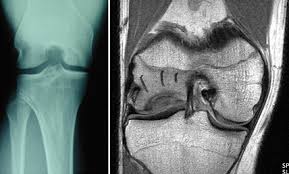
What Is Osteochondritis Dissecans (OCD)?
OCD is a condition in which a portion of the bone beneath the cartilage in a joint loses its blood supply, leading to the separation of bone and cartilage. In some cases, the loose fragment may remain attached, while in others, it can break free and move within the joint, causing mechanical symptoms. OCD most commonly affects the knee, particularly the femoral condyles (the rounded ends of the thighbone), but it can also occur in other joints such as the elbow and ankle.
Causes Of Osteochondritis Dissecans
The exact cause of OCD is not fully understood, but contributing factors may include:
- Repetitive Stress: Microtrauma or repeated stress to the joint over time.
- Ischaemia: A reduction in blood flow to the affected bone segment.
- Trauma: Acute injuries that damage the bone or cartilage.
- Genetics: A family history of OCD may increase susceptibility.
- Rapid Growth: Adolescents undergoing growth spurts may be more prone to developing OCD due to changes in bone development.
Symptoms Of Osteochondritis Dissecans
Symptoms of OCD can vary depending on the severity of the condition and whether the loose fragment is still attached.
Common symptoms include:
- Pain in the affected joint, particularly during activity.
- Swelling and tenderness around the joint.
- Stiffness or reduced range of motion.
- A clicking, popping, or locking sensation in the joint.
- Joint instability or a feeling that the joint may “give way.”
If the loose fragment moves within the joint, it can cause additional mechanical symptoms and discomfort.
Risk Factors For Osteochondritis Dissecans
Certain factors may increase the likelihood of developing OCD, including:
- Age: OCD is most common in adolescents and young adults, particularly those involved in sports.
- Gender: Boys are more commonly affected, although the condition can occur in girls as well.
- Sports Participation: High-impact sports, such as football, basketball, and gymnastics, can place stress on the knee joint.
- Previous Injuries: A history of joint injuries may increase susceptibility to OCD.
- Genetics: A family history of OCD or joint disorders.
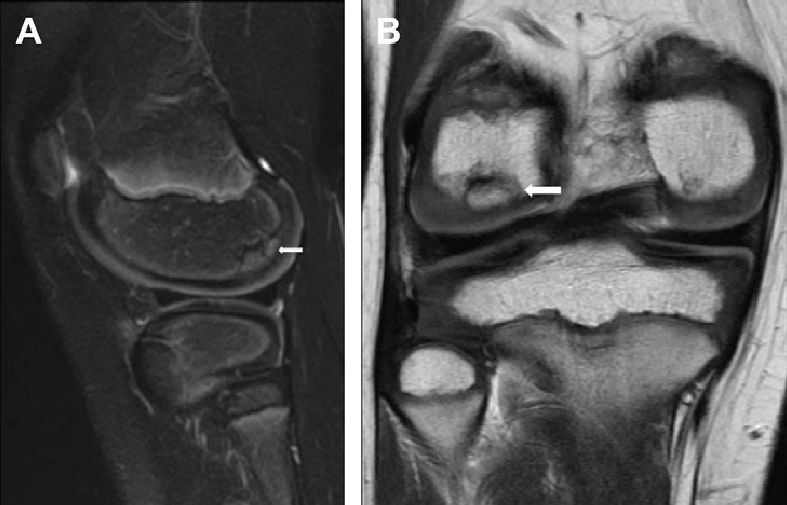
Treatment Options For Osteochondritis Dissecans
Treatment for OCD depends on the age of the patient, the size and stability of the loose fragment, and the severity of symptoms. Options include:
Non-Surgical Treatments
- Rest and Activity Modification: Avoiding activities that place stress on the joint to allow healing.
- Immobilisation: Using a brace or cast to stabilise the joint and reduce movement.
- Physiotherapy: Strengthening exercises to improve joint stability and range of motion.
- Pain Management: Over-the-counter pain relievers or anti-inflammatory medications may help reduce discomfort.
Surgical Treatments
Surgery may be recommended for unstable fragments or when non-surgical treatments are ineffective:
- Fixation: Reattaching the loose fragment using screws or pins to promote healing.
- Debridement: Removing loose fragments that cannot be repaired.
- Cartilage Repair or Restoration: Techniques such as microfracture, drilling, or osteochondral grafting to stimulate cartilage growth or replace damaged cartilage.
Dr. Scott Tulloch will assess your condition and recommend the most appropriate treatment based on your individual needs and activity goals.
When Should You Seek Help For Osteochondritis Dissecans?
You should consider seeking medical advice if:
- You experience persistent knee pain, swelling, or stiffness.
- You notice mechanical symptoms such as clicking, locking, or instability in the joint.
- Symptoms persist despite rest, physiotherapy, or other non-surgical treatments.
Early diagnosis and treatment may help prevent further joint damage and improve long-term outcomes.
If you would like to learn more about osteochondritis dissecans or discuss your options, book an appointment with Dr Scott Tulloch at the Victorian Orthopaedic Group.
