
Shoulder
Traumatic Orthopaedic Injuries - Upper Limb Fractures: Shoulder
Shoulder fractures are a type of traumatic injury involving the bones that make up the shoulder joint, including the clavicle (collarbone), scapula (shoulder blade), and proximal humerus (upper arm bone). These fractures can result from high-impact trauma, falls, or direct blows to the shoulder and may significantly impact arm movement and shoulder stability. Treatment aims to restore alignment, relieve pain, and regain function in the shoulder joint.
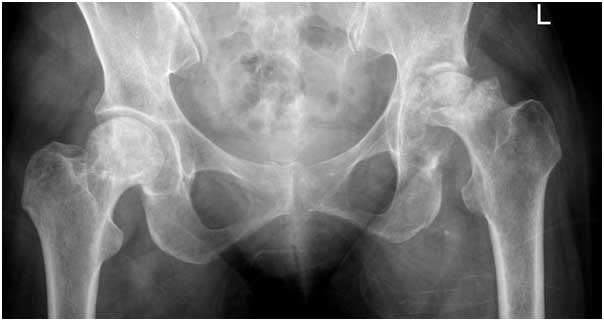
What Are Shoulder Fractures?
Shoulder fractures occur when one or more of the bones in the shoulder joint break due to trauma. These fractures can be classified into the following types:
- Clavicle Fractures: Breaks in the collarbone, which connect the arm to the torso.
- Scapula Fractures: Breaks in the shoulder blade, a flat bone that stabilises the shoulder joint.
- Proximal Humerus Fractures: Breaks in the upper part of the arm bone near the shoulder joint.
Fractures may be simple and stable or complex and involve multiple fragments, potentially affecting the joint’s movement and stability.
Causes Of Shoulder Fractures
Shoulder fractures are typically caused by trauma or excessive force to the joint. Common causes include:
- Falls: Falling onto an outstretched arm or directly onto the shoulder.
- Sports Injuries: Contact sports or high-impact activities that pose a risk of collisions or falls.
- Motor Vehicle Accidents: High-energy trauma from accidents can result in severe fractures.
Direct Blows: Impact to the shoulder from objects or collisions.
Symptoms Of Shoulder Fractures
Symptoms of a shoulder fracture may vary depending on the location and severity of the injury. Common symptoms include:
- Severe pain in the shoulder or upper arm.
- Swelling, bruising, or tenderness around the affected area.
- Deformity or a visible bump at the site of the fracture.
- Difficulty moving the arm or shoulder.
- Weakness or inability to lift objects.
- A grinding or cracking sensation during movement.
If these symptoms occur following trauma, prompt medical evaluation is necessary to ensure proper diagnosis and treatment.
Risk Factors For Shoulder Fractures
Certain factors may increase the likelihood of sustaining a shoulder fracture, including:
- Age: Older adults are more prone to fractures due to weaker bones or reduced balance.
- Osteoporosis: A condition that weakens bones, increasing the risk of fractures.
- Sports Participation: High-impact sports like rugby, cycling, or skiing.
- Occupational Risks: Jobs involving heavy lifting or working at heights.
- Previous Shoulder Injuries: A history of shoulder injuries may increase susceptibility.
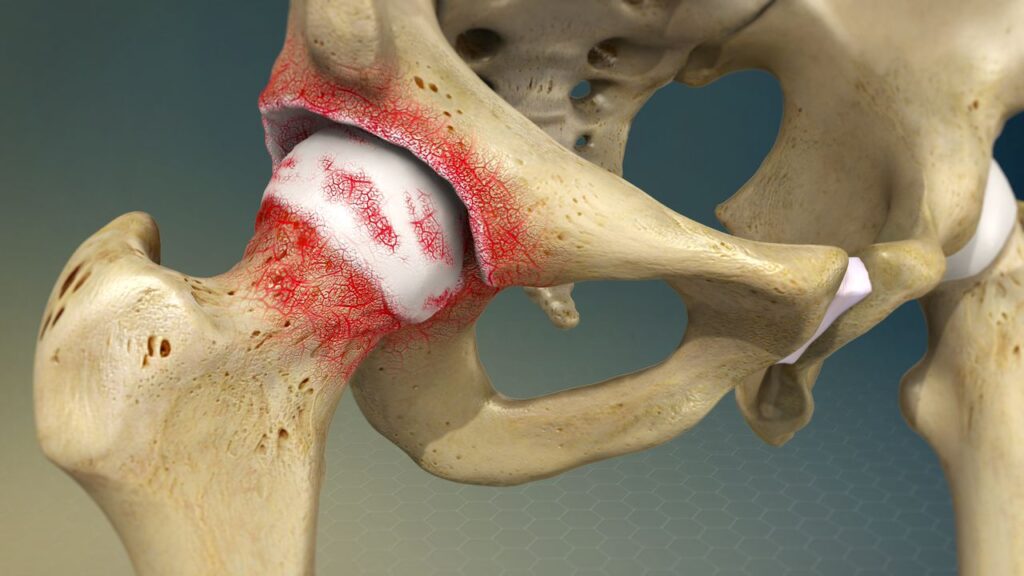
Treatment Options For Shoulder Fractures
Treatment for shoulder fractures depends on the type, severity, and alignment of the fracture, as well as the patient’s overall health and activity goals. Options include:
Non-Surgical Treatments
- Immobilisation: A sling or shoulder immobiliser may be used to stabilise the fracture while it heals.
- Pain Management: Medications to reduce pain and inflammation during recovery.
- Physiotherapy: Once the fracture begins to heal, exercises can help restore strength, flexibility, and range of motion in the shoulder joint.
Surgical Treatments
Surgery may be necessary for complex fractures or when the bone fragments are misaligned:
- Open Reduction and Internal Fixation (ORIF): Realigning the bone fragments and securing them with plates, screws, or rods.
- Shoulder Replacement Surgery: In severe cases involving joint damage, partial or total shoulder replacement may be considered.
- Bone Grafting: For fractures with significant bone loss, a graft may be used to aid healing.
Dr Scott Tulloch will assess the specific injury and recommend the most appropriate treatment based on the fracture type, the patient’s lifestyle, and long-term goals.
When Should You Seek Help For A Shoulder Fracture?
You should seek medical attention if:
- You experience severe pain, swelling, or deformity in the shoulder following an injury.
- You are unable to move or use the affected arm.
- You notice numbness, tingling, or weakness in the arm, which may indicate nerve involvement.
- Symptoms persist despite rest and over-the-counter pain relief.
Early diagnosis and treatment are critical for ensuring proper healing, restoring function, and minimising complications such as stiffness or chronic instability.
If you would like to learn more about shoulder fractures or discuss your treatment options, book an appointment with Dr Scott Tulloch at the Victorian Orthopaedic Group.
