
Trochanteric Bursectomy ITB Release
Trochanteric Bursectomy + ITB RELEASE: Addressing Chronic Hip Pain and Improving Mobility
Trochanteric bursectomy with iliotibial band (ITB) release is a surgical procedure designed to relieve persistent pain on the outer side of the hip. This pain is often caused by inflammation of the bursa (a fluid-filled sac that cushions the hip joint) or tightness in the iliotibial band, which runs along the outside of the thigh. The procedure may help improve mobility and reduce pain for individuals who have not found relief through non-surgical treatments.
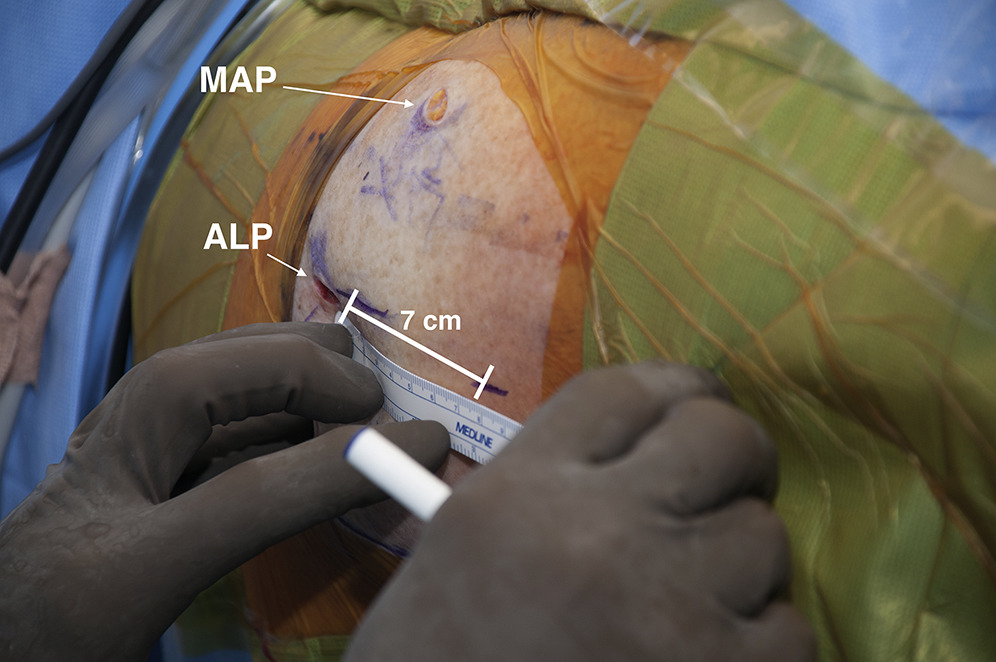
What Is Trochanteric Bursectomy + ITB Release?
Trochanteric bursectomy involves removing the inflamed bursa from the outer hip to reduce pain and swelling. An ITB release is often performed at the same time to address tightness in the iliotibial band, which may be contributing to irritation of the bursa or hip joint. Together, these procedures aim to alleviate discomfort and improve hip function.
When Is Trochanteric Bursectomy + ITB Release Recommended?
This procedure is often recommended for individuals experiencing:
- Trochanteric Bursitis: Chronic inflammation of the bursa causing pain and tenderness on the outer side of the hip.
- ITB Syndrome: Tightness or friction in the iliotibial band leading to hip pain.
- Persistent Symptoms: Ongoing pain and limited mobility that do not respond to non-surgical treatments such as physiotherapy, corticosteroid injections, or anti-inflammatory medications.
- Reduced Quality of Life: Difficulty with daily activities, such as walking, climbing stairs, or sleeping on the affected side.
Preparation For Trochanteric Bursectomy + ITB Release
Proper preparation can enhance surgical outcomes and recovery:
- Pre-Surgical Consultation: Dr Scott Tulloch will evaluate your condition through a physical examination and imaging tests, such as an MRI or ultrasound, to confirm the diagnosis and determine the need for surgery.
- Pre-Surgery Instructions: You may be advised to stop certain medications, follow fasting guidelines, and prepare for post-surgical care, including arranging for mobility aids like crutches.
- Lifestyle Adjustments: Improving overall health, such as losing weight, quitting smoking, or engaging in specific exercises, can help reduce surgical risks and improve recovery.
What Happens During The Surgery?
- Surgical Technique: The procedure is typically performed using minimally invasive techniques to reduce tissue damage and promote faster recovery.
- Anaesthesia: General anaesthesia or regional anaesthesia is used to ensure comfort during the operation.
- Procedure Steps:
- The inflamed bursa is carefully removed.
- If necessary, a portion of the iliotibial band is released or lengthened to reduce tension on the hip.
- Any additional issues, such as scar tissue or tendon irritation, may also be addressed.
- Duration: The surgery generally takes 1-2 hours.
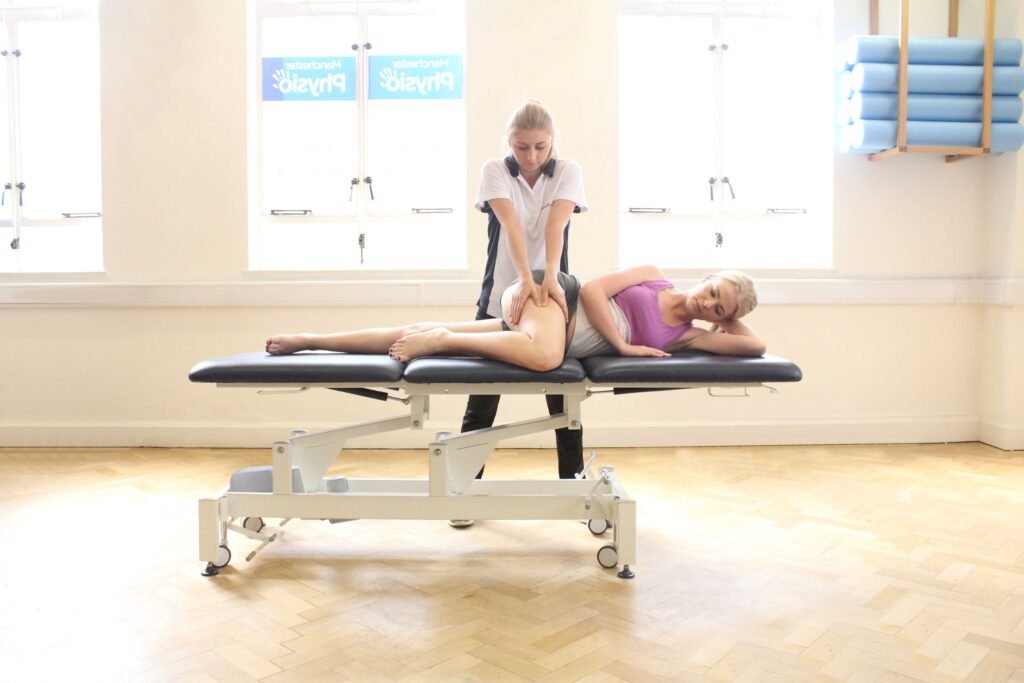
Understanding The Risks
As with any surgical procedure, there are risks associated with trochanteric bursectomy and ITB release. Dr Scott Tulloch will discuss these risks with you and outline measures to minimise them. Potential risks include:
- Infection at the surgical site
- Blood clots in the legs or lungs
- Temporary or permanent nerve irritation
- Residual pain or incomplete relief of symptoms
- Rare complications, such as wound healing issues or damage to nearby structures
What To Expect After Surgery
- Hospital Stay: Many patients can return home on the same day or after a short hospital stay, depending on the complexity of the procedure and overall health.
- Pain Management: Medications and ice therapy may be used to manage post-operative pain and swelling.
- Assistive Devices: Crutches or a walker may be needed during the initial recovery period to minimise weight-bearing on the affected hip.
- Discharge Instructions: You will receive detailed guidance on wound care, activity restrictions, and signs of complications to watch for.
Rehabilitation And Recovery
- Recovery Timeline: Initial recovery may take 4-6 weeks, with full recovery typically achieved within 3-6 months.
- Physiotherapy: A tailored physiotherapy program will be provided to help restore strength, improve flexibility, and regain function.
- Activity Restrictions: Weight-bearing and certain movements may be restricted during the early stages of recovery to protect the hip and ensure proper healing.
Long-term Outcomes
Trochanteric bursectomy and ITB release may provide significant relief from pain and improved mobility for many patients. Maintaining a healthy lifestyle, following physiotherapy recommendations, and attending follow-up appointments with Dr. Scott Tulloch can help achieve the best possible outcomes. While the surgery is designed to address chronic hip pain, ongoing care and avoiding activities that place excessive stress on the hip joint may help maintain the results.
If you would like to learn more about trochanteric bursectomy and ITB release or discuss your options, book an appointment with Dr. Scott Tulloch at the Victorian Orthopaedic Group.
